

Contents

sedan
electric

A
151
151
151
151
151
151
151
151
151
151
151
151
166
166
166
166
166
166
166
304
304
304
304
304
304
304
304
304
304
304
304
314
314
314
314
314
323
323
323
874
874
874
874
874
B
327
327
327
327
327
327
327
327
327
327
327
327
327
327
327
327
327
327
327
327
327
327
327
327
327
327
327
327
327
327
327
726
726
726
726
726
726
726
726
726
726
753
753
753
753
753
753
753
753
753
753
753
753
753
753
781
781
781
781
781
781
781
781
781
781
781
781
781
795
795
795
C
628
628
628
628
628
628
628
628
628
628
628
628
628
887
607
607
607
607
607
607
607
607
607
607
607
607
607
607
607
607
607
607
607
1023
1023
1023
1023
1023
1023
1023
D
F
566
566
566
566
566
566
566
566
566
587
587
587
587
587
587
587
587
587
G
455
455
455
455
455
455
455
455
455
455
473
473
473
473
473
473
473
473
473
473
473
473
473
473
473
473
H
522
522
522
522
522
522
522
522
551
551
551
551
551
551
551
551
551
551
551
551
551
551
551
551
578
578
578
578
578
578
578
578
578
578
578
578
578
578
578
578
578
I
J
768
768
768
768
768
851
851
851
851
K
738
738
738
738
738
738
738
L
394
394
394
394
394
394
394
394
810
810
810
810
810
810
810
810
810
810
810
810
810
410
410
410
410
410
M
856
856
856
856
856
N
799
799
799
799
799
799
799
799
799
799
877
877
877
877
877
877
877
877
877
P
R
S
T
697
697
697
697
697
697
697
697
697
697
697
709
709
709
709
709
709
709
709
709
709
709
709
709
709
709
709
512
512
515
515
515
515
542
542
542
542
542
542
542
542
V
654
654
654
654
654
654
654
654
654
654
654
654
654
654
654
654
671
671
671
671
671
671
671
671
671
671
671
671
671
671
671
671
671
671
671
411
411
411
411
411
411
411
411
411
411
411
411
411
462
462
868
868
868
868
692
692
692
692
W
825
825
825
825
825
825
825
825
825
825
825
825
825
825
825
825
825
825
825
825
825
825
825
825
825
X
774
774
774
774
774
774
894
894
Y
Z
401
401
401
401
401
401
401
401
401
401
401
401
401
 Used Car
 Truck
 Product classification

Buying used cars from China starts with finding the right vehicle, but a successful purchase requires more than an attractive advertised price. Overseas dealers, importers and fleet buyers also need clear vehicle information, realistic shipping estimates and a practical plan for local registration and maintenance.
Whether you are comparing used electric cars, hybrid SUVs or gasoline sedans, a structured buying process helps you identify suitable stock and understand the full cost before committing to an order.
This guide explains eight key considerations when sourcing used vehicles from China and preparing a useful inquiry for TALENET.
Begin with the needs of your customers. A vehicle that looks attractive in a supplier’s catalog may be unsuitable for your local roads, charging network or service facilities.
Create a purchasing specification that includes body style, powertrain, model year, mileage range, steering position and budget. Dealers should also consider parts availability, customer familiarity with the brand and the likely time needed to resell each vehicle.
When comparing used hybrid cars from China with gasoline or electric alternatives, consider how the vehicle will actually be used. Daily distance, access to charging and maintenance capability can change which option makes commercial sense.
Before reserving any unit, confirm its import and registration eligibility with the relevant destination authorities or your local customs broker.
An advertised vehicle price is only one part of your purchasing budget. To compare used cars from China prices accurately, request an itemized quotation showing what is included and what remains payable.
Your estimate should account for the vehicle, agreed inspection or preparation work, inland transport, export handling, international freight and insurance where applicable. Destination port charges, clearance, applicable taxes, registration and local delivery also need to be included in your budget.
Ask suppliers to identify the quoted trade term and named location. An FOB quotation and a CIF quotation cover different cost responsibilities, so their headline amounts should not be compared directly.
For dealers, calculate the expected margin using the total landed cost, local preparation expenses and a realistic selling price. A lower purchase price does not always produce a better business result.
Choosing a China used car exporter involves checking both the business and the proposed transaction.
Request the supplier’s registered company details, relevant export credentials and a written contract. Confirm which entity will sell the vehicle, receive payment and handle the agreed export work. Any differences should be explained before funds are transferred.
The quotation should identify the vehicle clearly, including its VIN when a specific unit has been selected. It should also explain the condition description, payment schedule, delivery responsibilities and process for resolving discrepancies.
Look for clear, consistent answers about inspection access, vehicle history and supporting documents. Written evidence and specific vehicle information provide a stronger basis for a purchasing decision than broad claims about quality or low prices.
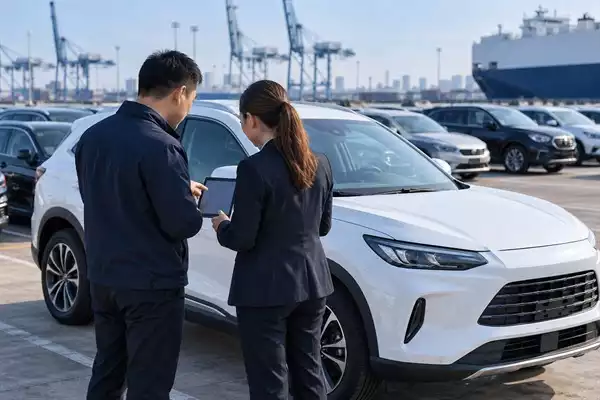
Buyers sourcing wholesale used cars from China should define a repeatable purchasing standard before expanding order volume.
Specify acceptable mileage, age, trim, cosmetic wear and repair history. If your business requires matching specifications across several vehicles, state this at the inquiry stage. Vehicles with the same model name can still differ in equipment, battery size or powertrain.
A mixed order can help dealers compare demand across different vehicle types, while a more consistent order may simplify sales preparation and servicing. The right approach depends on your customer base and operating capacity.
For an initial purchase, ask about minimum order quantities, inspection arrangements and shipment options. Use the results of the first transaction to assess communication, condition accuracy and total costs before planning repeat orders.
When buying used electric cars from China, evaluate the battery and charging system alongside mileage and appearance.
Request an available battery diagnostic report and ask how the assessment was performed. Useful information may include reported state of health, diagnostic faults, relevant repair records and evidence of damage to the battery enclosure or underbody.
Confirm the vehicle’s actual charging connector, AC and DC charging capabilities, and compatibility with the infrastructure available to your customers. Do not assume that an adapter alone will resolve every charging issue.
Also check interface languages, app access, connected services and the written terms of any warranty applicable in the destination market.
If you are comparing used BYD cars from China or other electric models, use the exact vehicle specification and inspection findings. A model name or advertised range figure cannot establish the condition or suitability of an individual used car.
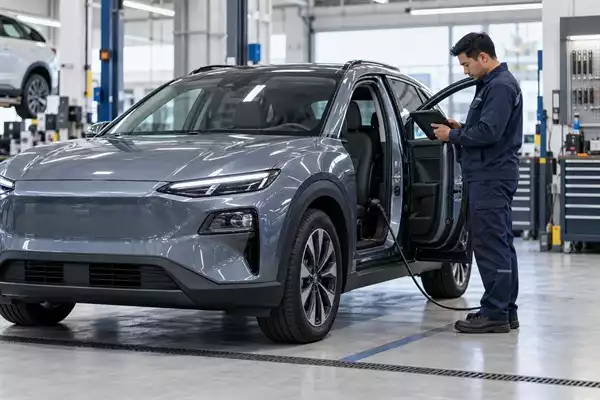
A used car inspection before export should produce a clear record that the buyer can review against the sales description.
Request checks covering vehicle identity, displayed mileage, exterior panels, structural condition, underbody, cabin equipment and relevant diagnostic systems. Ask specifically about evidence of collision repairs, flood exposure, corrosion and warning lights.
For gasoline and hybrid vehicles, include the engine, transmission, cooling system and fluid leaks. For electric and plug-in hybrid vehicles, add the charging system and available high-voltage battery checks.
Date-stamped photographs, videos and written findings help document condition. Where practical, arrange an independent inspection and agree in advance how any material discrepancy will be handled before shipment.
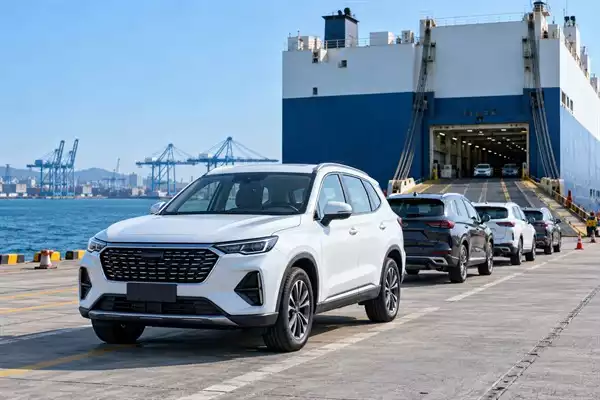
Car shipping from China should be planned around the selected vehicle, departure point, destination and available carrier services.
Ask whether container shipping or roll-on/roll-off transport is available for your proposed shipment. Request a written explanation of loading arrangements, insurance options, estimated transit time and the charges included in the freight quotation.
For electric vehicles, confirm carrier acceptance and any vehicle preparation or battery-related requirements before booking.
Agree on the document checklist with the exporter, freight provider and destination customs broker. Check that vehicle identifiers and buyer details are consistent across the required paperwork.
Build some flexibility into your delivery plan. Vessel schedules, port handling and clearance can affect the date a vehicle becomes available for resale or fleet use.
A detailed inquiry helps TALENET understand your purchasing requirements and discuss suitable options.
Start by browsing the TALENET used car section, then provide:
Your destination country and preferred port.
Whether you are a dealer, importer or fleet buyer.
Preferred brands, models and powertrains.
Required model years, mileage range and steering position.
Purchase quantity and budget per vehicle.
Your preferred quotation basis and purchasing timeline.
Any inspection or documentation requirements.
Ask for confirmation of current availability, individual vehicle condition, export eligibility and the services included in the proposed quotation.
Ready to compare used cars from China for your business? Contact TALENET with your model preferences, quantity and destination to discuss your next purchase.

TALENET Concludes the 140th Canton Fair with USD 3 Million in Orders
Read more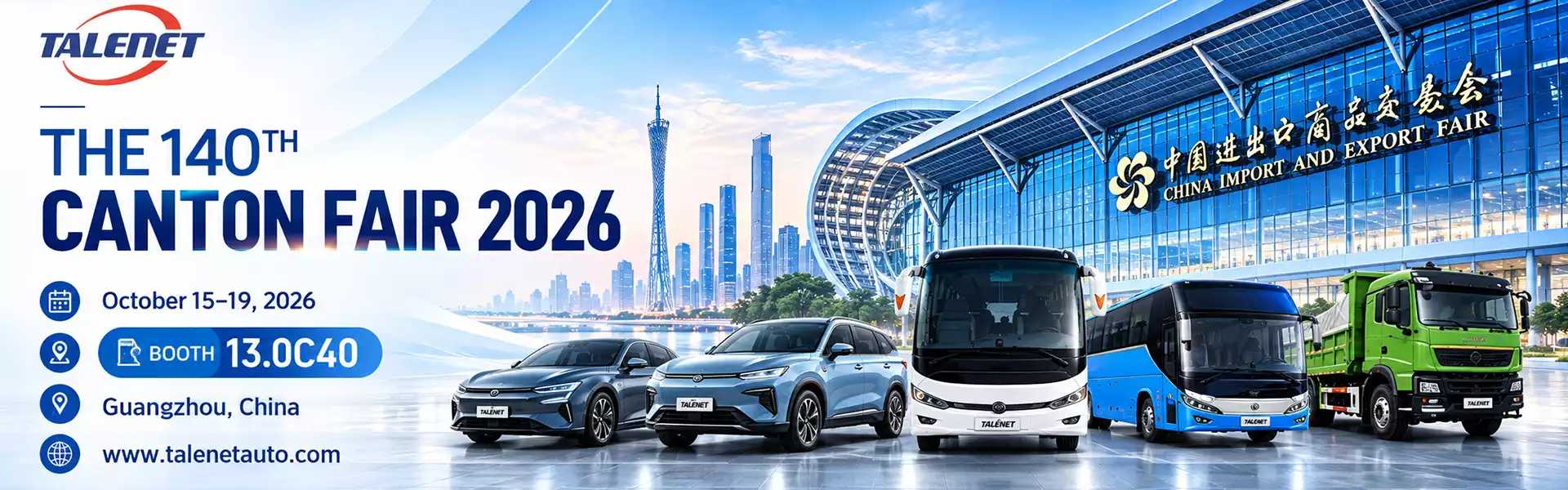
TALENET Invites Global Vehicle Buyers to the 140th Canton Fair
Read more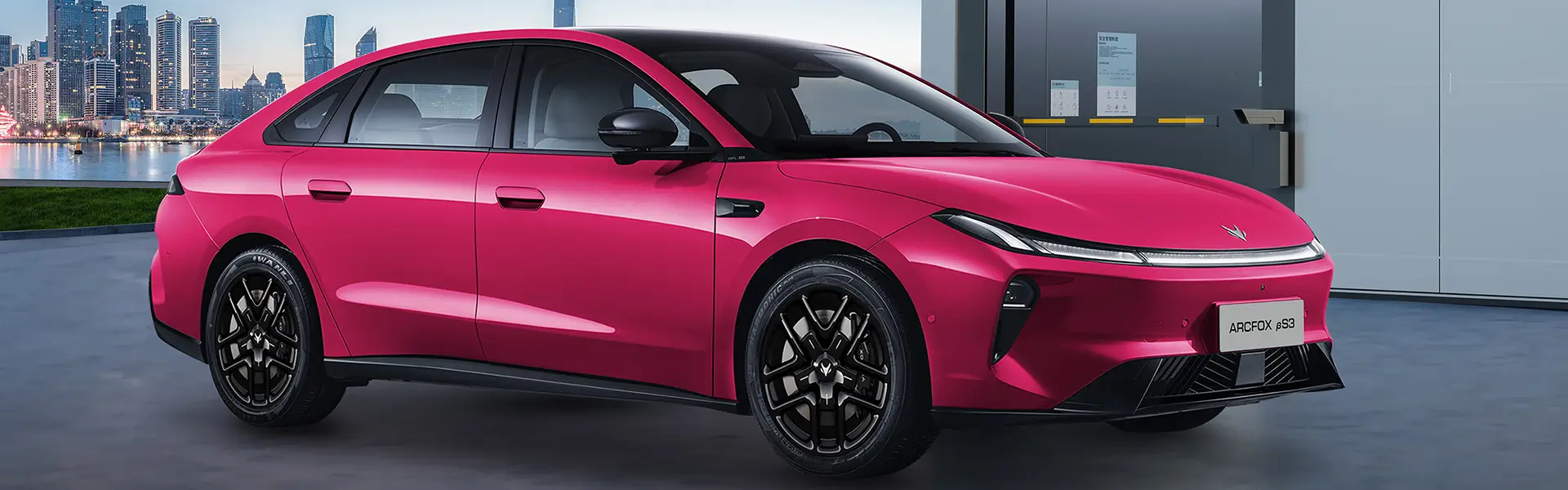
ARCFOX Beta S3 Review: A Modern Electric Vehicle with Smart Technology and Stylish Design
Read more
Stephen Rivers is a car enthusiast who loves all things built with passion, extending to nearly all car cul- tures. After obtaining an occupational studies degree in sports medicine, Stephen turned his attention to sports cars. He was employed as an auto shop manager, spent time in auto sales, and worked as a software developer for a racing company, but Stephen began writing about cars over 10 years ago. When he's not in front of a computer screen, he's racing his own Bugeye Subaru WRX in as many auto- cross and rallycross competitions as he can.
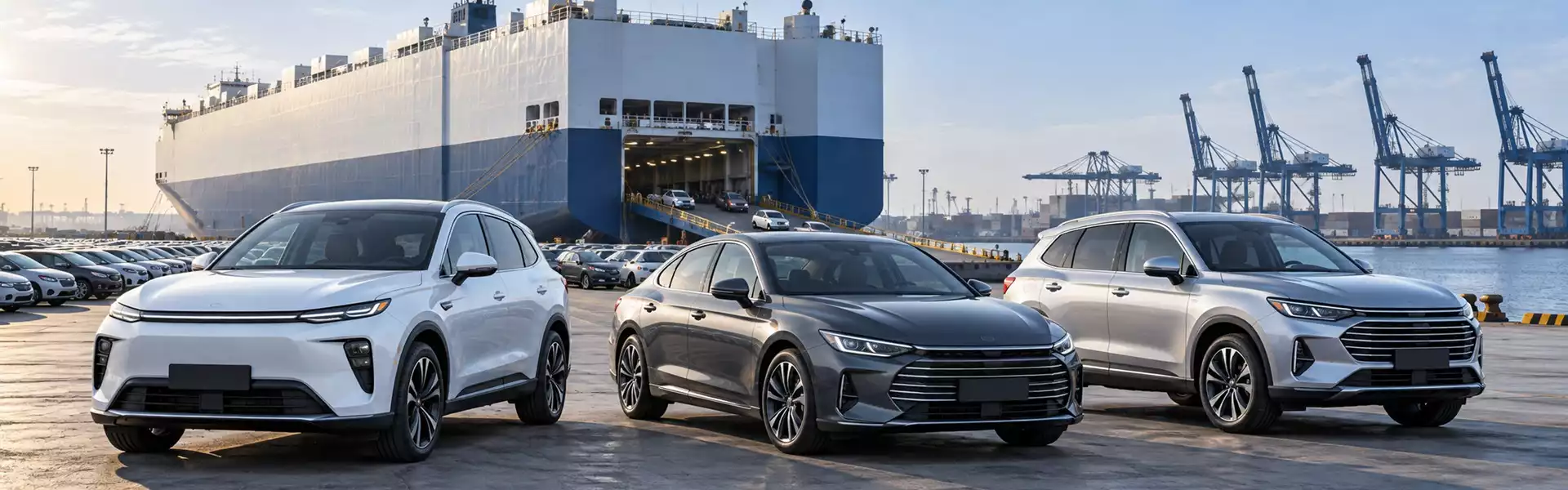
Buying used cars from China starts with finding the right vehicle, but a successful purchase requires more than an attractive advertised price. Overseas dealers
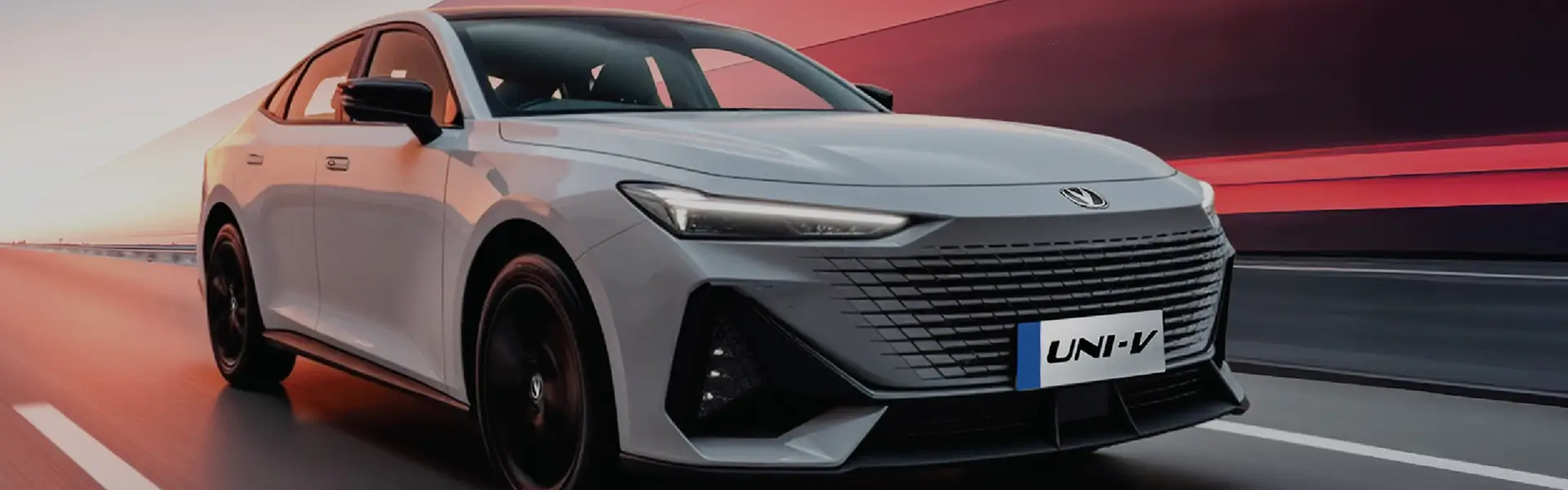
The Changan UNI-V is a sporty fastback sedan from Changan Automobile's premium-oriented UNI series. Combining an aggressive exterior, sleek fastback proport

The Toyota Kluger, also known as the Toyota Highlander in many global markets, is a popular midsize three-row SUV designed for families seeking comfort, reliabi

The Chinese automotive market is moving at a breakneck pace, and sitting right at the absolute center of this electric revolution is BYD. If you are looking to
TALENET Concludes the 140th Canton Fair with USD 3 Million in Orders
Learn moreTALENET Invites Global Vehicle Buyers to the 140th Canton Fair
Learn moreARCFOX Beta S3 Review: A Modern Electric Vehicle with Smart Technology and Stylish Design
Learn more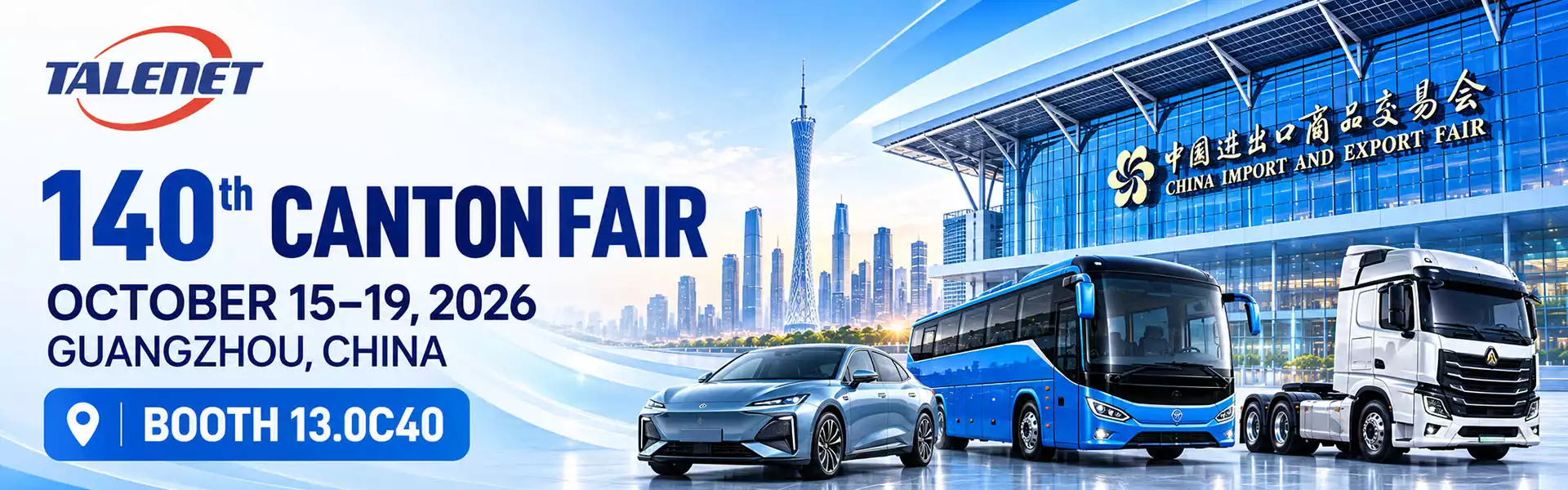
Meet TALENET at the 140th Canton Fair, October 15–19, 2026
Learn more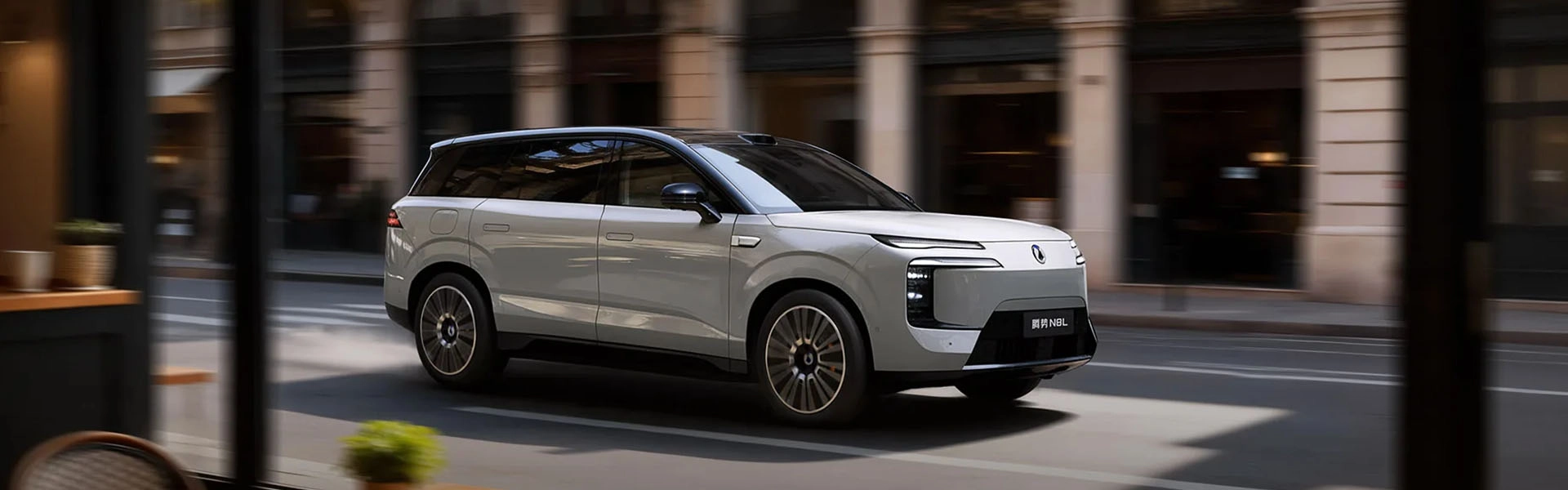
Denza N8L Pure Electric Review: A Large 6-Seat Electric SUV with 960 km Range
Learn more


